Towards a Critical Understanding of Deepfakes: Developing a Teaching Module and More
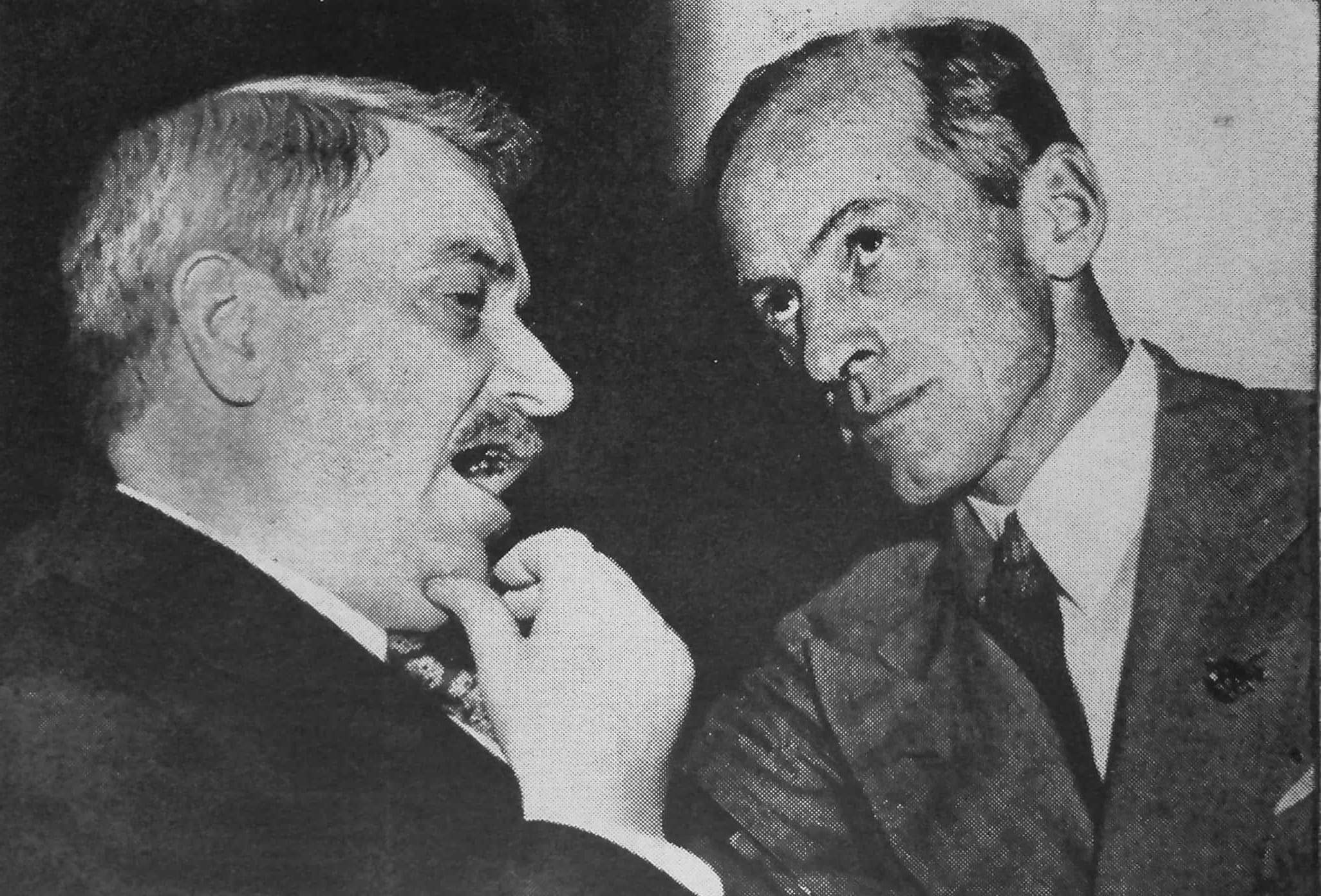
For my senior thesis in Science, Technology, and Society at Pomona College, I explored the emerging area of deepfakes from historical and philosophical perspectives. In my analysis of the discourse around a “fake” photo from 1950 that was used for political disinformation, I focused on the argument made by certain actors (including infamous senator Joseph McCarthy) that manipulated photos can be truer than any original photo, because they may show you what the world is really like in ways that may not be possible to capture objectively. This is more relevant now than ever, as similar arguments are frequently marshalled to defend the explosion in AI-generated political videos and other manipulated content since the mid-2020s (see the LATimes quoting a consultant: “Spencer Pratt is using AI the way it should be used, which is to sharpen reality”).
As part of my thesis, I created a teaching module in four parts that aims (1) to teach students, regardless of technical background, what deepfakes are, and (2) to provide students with analytical and theoretical background that would help them apply a critical lens to deepfakes, videos, photos, and other media. Follow this link for the teaching module, located in Chapter 4 of my thesis here. You can also find supplementary materials, as well as the rest of my thesis, at the same webpage.